Belonging, Adaptation and Regeneration in Environmental Media of the U.S.-Mexico Borderlands
Description
The four presentations in this panel look to artists, humanitarian groups, and other cultural producers to explore mediated relationships between the U.S.-Mexico border environment and state-sponsored means of dispossession. Cristina Correa will share her creative-critical methodology ‘liquid listening’, which engages elements of sound art, poetry, somatics, and ecocriticism to more affectively and effectively observe and interpret Latinx ecoaesthetics. Her focus on Valeria Luiselli’s “sonic essay” Echoes of the Borderland centers the fluid relationships between human and more-than-human bodies of the borderwaters. Celina Osuna will analyze the materialities of art created by Gloria Martinez-Granados and Jose Villalobos and the ways that they choose to tell stories of living in bordered land. She will focus on how their multimedia works celebrate their ancestors and reclaim senses of belonging. Tara Plath examines the ways that humanitarian organizations have identified the dynamics of cellular service and 9-1-1 emergency services in Pima County, Arizona as both a contributing factor of these disappearances as well as a mediated space of tactical intervention. She analyzes the design of these campaigns to interrogate the ways that media can be used to establish very different pictures of both the border and border humanitarianism. Diana Ruíz considers restoration and regeneration through the lens of toxicity, examining how the Indigenous art collective Postcommodity perceptually recalibrates the seemingly neutral inflections of toxicity through Going to Water (2021), their multimedia installation remediating state-produced air pollution surveillance video. Postcommodity’s digital assemblage questions what Max Liboiron calls the “adaptive capacity” of environmental toxicity on lands and waters multiply harmed through settler colonial dispossession. She shows how the installation troubles and reroutes the relationship between visual evidence and transparent processes of historical domination. The panel will be moderated by Ila Sheren with Camilla Fojas serving as respondent.
Artists
Ila N. Sheren
Camilla Fojas
Celina Osuna
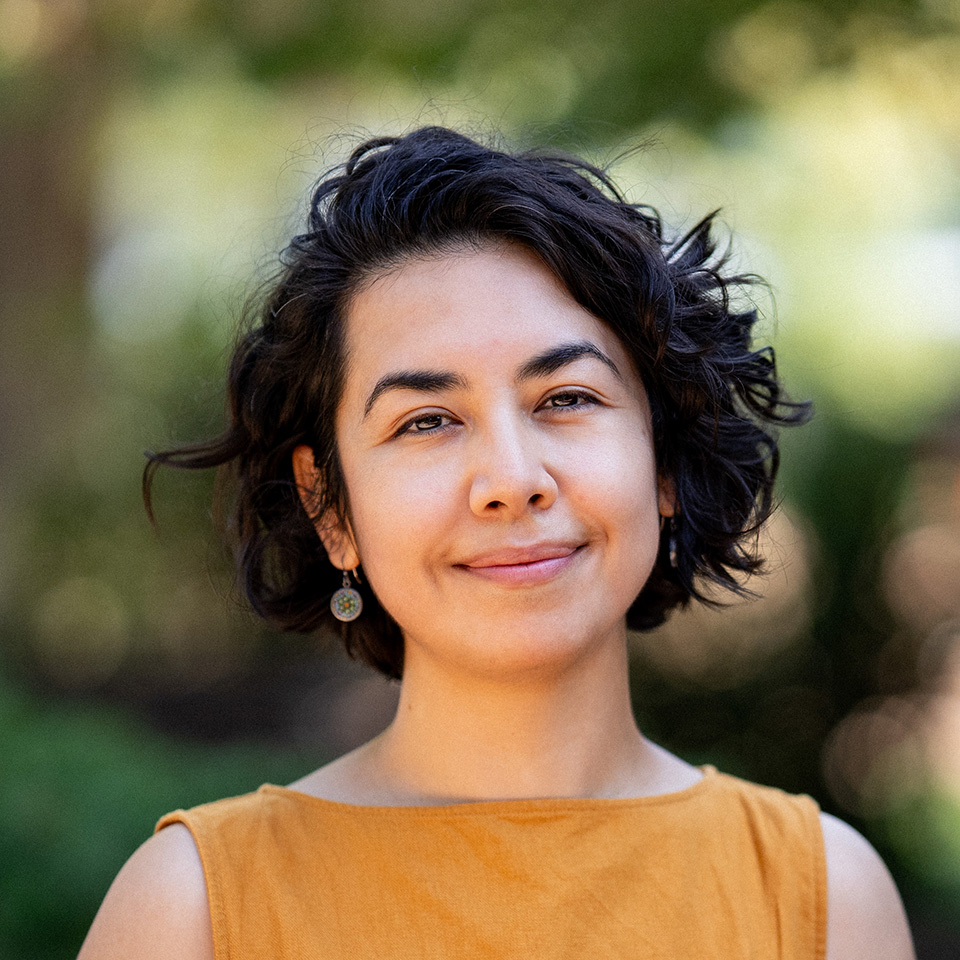
Cristina Correa